Address
304 North Cardinal
St. Dorchester Center, MA 02124
Work Hours
Monday to Friday: 7AM - 7PM
Weekend: 10AM - 5PM
Learning how to read tarot is one of the most rewarding spiritual practices you can explore. It combines intuition, symbolism, and psychology to reveal insights about your life, relationships, and future possibilities. Reading tarot isn’t just about memorising meanings — it’s about developing a personal connection with the cards and learning to listen to your intuition. Whether you’re a beginner or have some experience, understanding how to read tarot will help you unlock the wisdom hidden within every card.
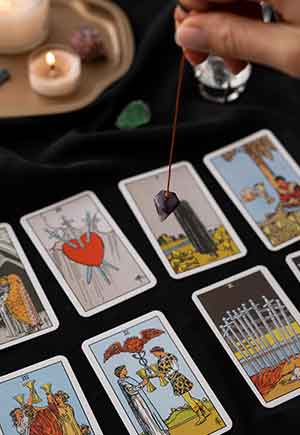
The first step in learning how to read tarot is to get to know your deck. A traditional tarot deck contains 78 cards, divided into the Major Arcana and Minor Arcana. The Major Arcana represents life’s major lessons and spiritual growth, while the Minor Arcana focuses on everyday situations, emotions, and actions.
Before doing any readings, spend some time looking through your deck. Notice the colours, symbols, and emotions each card evokes. The imagery is the language of the tarot — and the better you understand it, the easier it will be to interpret the messages it carries.
You can also hold your deck in your hands, meditate with it, or cleanse it with incense or moonlight to connect your energy with the cards.
Every tarot reading begins with a clear question or intention. The way you phrase your question influences the depth of insight you receive.
Instead of asking, “Will I get the job?” try, “What can I do to improve my chances of getting the job?” or “What should I understand about my career path right now?”
Open-ended questions allow the tarot to explore possibilities, emotions, and hidden influences rather than providing a simple yes or no.
If you’re unsure what to ask, you can always request a general message or guidance for the day. The tarot always speaks — even when the question is simple.
Shuffling the deck is a sacred moment that aligns your energy with the cards. As you shuffle, focus on your question and clear your mind. You can use any shuffling method you prefer — overhand, riffle, or gently mixing the cards on a table.
When you feel ready, stop. Some people sense a natural pause or an intuitive nudge that tells them the deck is ready. You can then cut the cards into three piles and reassemble them as you feel guided.
A tarot spread determines how many cards you’ll draw and what each position represents. For beginners, the Three-Card Spread is a great place to start. It reflects the flow of time and energy:
Past – what led to the current situation
Present – the energy surrounding you now
Future – the direction events are moving or advice for what’s ahead
More advanced readers often use spreads like the Celtic Cross, which provides a deeper look into emotions, influences, and potential outcomes. Over time, you can even create your own spreads to suit your personal style of reading.
When learning how to read tarot, remember that intuition comes first. Look at each card and notice what stands out — the emotion, the colour, the symbol, or the character’s expression.
Then combine your intuitive impression with the traditional meaning. For example:
Cups relate to feelings, relationships, and intuition.
Swords represent thoughts, clarity, and challenges.
Wands symbolise creativity, energy, and motivation.
Pentacles are connected to money, work, and stability.
If several Major Arcana cards appear, the reading likely concerns a major life lesson or transformation. If most cards are from the Minor Arcana, the focus may be on daily matters or temporary influences.
Don’t worry about getting every detail “right.” Tarot is a dialogue between your inner wisdom and the universe — not a test of memorisation.
After the reading, take a few moments to reflect on what the cards revealed. How does the message relate to your current situation? What emotions does it bring up?
Keeping a tarot journal helps you track patterns, growth, and recurring themes. Over time, you’ll notice how certain cards appear when similar energies or lessons return in your life.
Tarot reading is not about prediction alone — it’s about understanding the deeper story behind your choices and experiences.
The more you read tarot, the stronger your intuition becomes. Try pulling one card each morning for guidance or reflection. With practice, you’ll begin to recognise how the cards mirror your energy and thoughts.
Trust your intuition, even if it surprises you. The tarot is a living tool — its messages shift and adapt as you grow spiritually and emotionally.
Learning how to read tarot is a journey of intuition, symbolism, and self-discovery. Each card holds a mirror to your soul, revealing truths that words alone can’t express. With time, you’ll develop your own relationship with the deck and understand that tarot isn’t about predicting fate — it’s about empowering yourself to shape it.
If you’re ready to explore your life’s path through the wisdom of the cards, tarot reader Andrew invites you to experience a personal reading. His intuitive approach blends ancient symbolism with modern insight, helping you uncover clarity, healing, and purpose within every spread.