Address
304 North Cardinal
St. Dorchester Center, MA 02124
Work Hours
Monday to Friday: 7AM - 7PM
Weekend: 10AM - 5PM
Learning how to read tarot cards for beginners can feel like stepping into a mysterious world of symbols, intuition, and ancient wisdom. The tarot is not about fortune-telling in the traditional sense — it’s a tool for guidance, reflection, and connection with your inner voice. Whether you’re drawn to the cards out of curiosity, a desire for self-discovery, or a passion for spirituality, reading tarot is a practice that grows with time, patience, and intuition.
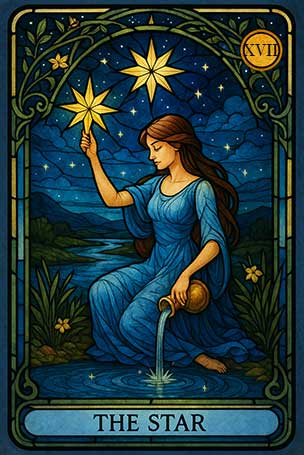
Every tarot journey begins with your deck. A standard tarot deck has 78 cards, divided into two main groups:
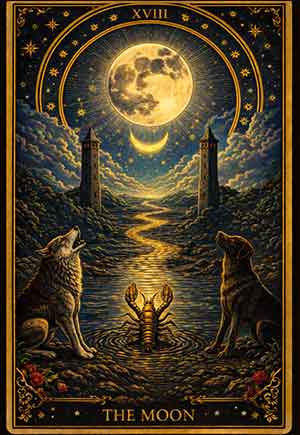
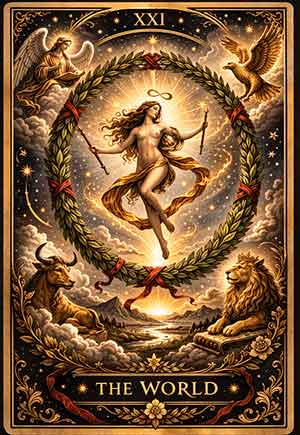
The Major Arcana (22 cards): representing life’s key lessons and spiritual growth.
The Minor Arcana (56 cards): reflecting everyday experiences, emotions, and decisions, divided into four suits — Cups, Wands, Swords, and Pentacles.
Before doing any readings, take time to explore your deck. Hold it in your hands, shuffle it, and look at each card carefully. Notice what emotions or thoughts each image evokes. The more familiar you become with your cards, the easier it will be to understand their language.
Your tarot cards absorb the energy around them, so it’s helpful to start with a cleansing ritual. You can cleanse your deck by:
Smudging it with incense or sage.
Placing it under moonlight overnight.
Knocking gently on the deck three times to release stagnant energy.
After cleansing, hold your cards close to your heart and set an intention — for example, “May these cards bring truth, guidance, and clarity.” Building this connection makes your readings more intuitive and meaningful.
At first, it’s useful to learn the traditional meanings of each card, but remember that tarot is as much about intuition as it is about knowledge.
Major Arcana cards (like The Fool, The Lovers, or Death) represent turning points and spiritual lessons.
Minor Arcana cards (Cups, Wands, Swords, Pentacles) focus on daily life — feelings, actions, thoughts, and material matters.
You don’t need to memorise everything at once. Start slowly — perhaps draw one card each day and reflect on its message. Over time, you’ll build a personal relationship with the cards and discover meanings that feel right for you.
Shuffling your cards is a meditative act — it mixes your energy with the deck and helps you focus on your question. There’s no single right way to shuffle; choose a method that feels natural to you.
When you feel ready, stop shuffling and draw your cards. Beginners often start with simple layouts like the One-Card Pull (for daily guidance) or the Three-Card Spread, representing:
Past – what influences your current situation.
Present – what’s happening now.
Future – the direction events may take or the lesson to be learned.
As you gain confidence, you can explore more complex spreads like the Celtic Cross or create your own.
When reading tarot, your intuition is just as important as traditional meanings. Look at the imagery — the colours, symbols, and emotions in each card. What’s the first thing that stands out to you? What story do the cards tell together?
The cards reflect your subconscious thoughts and feelings. Don’t rush to interpret them logically — let your instincts guide you. You can also write your impressions in a tarot journal to track patterns and insights over time.
Tarot readings are most effective when you ask open-ended questions. Instead of “Will I get this job?” ask “What can I do to improve my chances of success?”
Open questions encourage reflection and personal growth. The cards don’t dictate fate — they reveal possibilities and guidance to help you make conscious choices.
The more you practice, the stronger your connection with the cards becomes. Tarot is a lifelong learning experience — every reading teaches something new about yourself and the world around you.
In the beginning, it’s normal to feel uncertain. Trust that with time and practice, your intuition will grow sharper and your readings will feel more natural.
Remember: tarot reading is not about predicting the future — it’s about understanding yourself, your emotions, and your direction.
Learning how to read tarot cards for beginners is a journey of intuition, trust, and discovery. The tarot is both a mirror and a map — reflecting your inner world while guiding you toward self-awareness and wisdom.
Take your time, honour the process, and enjoy the connection that forms between you and your cards. Every reading, even the simplest one, holds the potential to reveal insight and light the way forward.
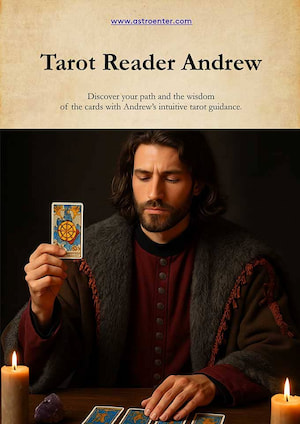
If you’d like to explore your tarot journey with personal guidance, tarot reader Andrew invites you to a private reading. His intuitive approach helps beginners and experienced readers alike uncover deeper understanding and connect with the true wisdom of the cards.