Address
304 North Cardinal
St. Dorchester Center, MA 02124
Work Hours
Monday to Friday: 7AM - 7PM
Weekend: 10AM - 5PM
Feeling tired, overwhelmed, tense, or constantly drained? Use this Stress Level Calculator to check how your sleep, work, activity, symptoms, and daily habits may be affecting your stress levels, recovery, and overall well-being.
Want to understand yourself on a deeper level?
Order your Personalized Astrology Birth Chart Reading and discover what your birth chart reveals about your personality, emotions, strengths, challenges, and life path.
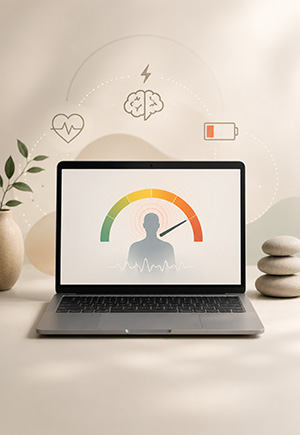
A Stress Level Calculator is a simple wellness tool that helps estimate how much stress your body may be carrying. It looks at everyday factors such as sleep quality, workload, physical activity, emotional tension, fatigue, and common stress symptoms.
Stress is not only a mental feeling. It can also affect the body. When stress becomes long-term, it may influence your energy, mood, digestion, sleep, immune system, concentration, and ability to recover.
This calculator can help you better understand whether your lifestyle is supporting balance or pushing your body toward overload.
The Stress Level Calculator – Is Your Body Under Too Much Stress? may ask questions about:
Based on your answers, the calculator gives an estimated stress level or lifestyle stress score. The result is not a medical diagnosis, but it can help you notice patterns that may be affecting your well-being.
Stress is a natural response to pressure, challenge, or danger. Short-term stress can help you focus and react quickly. The problem begins when stress becomes constant and the body does not have enough time to recover.
Long-term stress may affect:
Your body is designed to handle stress, but it also needs rest. Without recovery, stress may slowly turn into chronic fatigue, emotional exhaustion, or burnout-like symptoms.
Your body often sends warning signs before you fully notice that you are overloaded. Common signs of high stress may include:
One symptom alone does not always mean serious stress. However, if several symptoms appear together and last for weeks, it may be a sign that your body needs more rest and support.
Sleep is one of the most important factors in stress recovery. When you do not sleep enough, your nervous system has less time to reset. This can make you more reactive, more tired, and more sensitive to everyday pressure.
Poor sleep may increase:
Improving sleep habits is often one of the first steps toward lowering stress levels. A regular bedtime, less screen time at night, and a calm evening routine may help the body recover more effectively.
Work is one of the most common sources of chronic stress. Deadlines, meetings, multitasking, constant messages, lack of breaks, and emotional pressure can keep the nervous system in a state of alertness.
Even desk work can be exhausting if the mind never gets a real pause. Long periods of mental strain may lead to tiredness, tension, and difficulty switching off after work.
A stress calculator can help you see whether work-related pressure may be one of the biggest factors affecting your body.
Regular physical activity can help reduce stress and support emotional balance. Movement helps release tension, improves circulation, supports sleep, and may improve mood.
Helpful forms of activity include:
However, very intense exercise without enough recovery may add more stress to the body. The goal is balance: enough movement to support health, but enough rest to avoid overload.
Stress can strongly affect eating habits. Some people lose appetite, while others crave sugar, salty snacks, or fast food. This is often because the body looks for quick energy when it feels tired or under pressure.
A balanced diet may support the nervous system and energy levels. Helpful choices include:
Too much caffeine, alcohol, sugar, and ultra-processed food may worsen energy crashes and make stress harder to manage.
Reducing stress does not always require big life changes. Small daily habits can make a difference over time.
Helpful strategies may include:
The most important thing is consistency. Your body needs repeated signals of safety, rest, and recovery.
Stress and burnout are connected, but they are not exactly the same. Stress often feels like too much pressure. Burnout may feel like emotional exhaustion, detachment, lack of motivation, and a sense that you cannot recover even after resting.
If stress continues for a long time without enough support, it may increase the risk of burnout-like symptoms. That is why early awareness is important.
A Stress Level Calculator can help you notice whether your lifestyle may be moving toward overload before symptoms become more serious.
This Stress Level Calculator may be useful if you:
It can be helpful for students, professionals, parents, caregivers, and anyone living with a busy or demanding routine.
No. This calculator is an educational wellness tool. It does not diagnose anxiety, depression, burnout, sleep disorders, or any medical condition.
If you feel unable to cope, have panic attacks, severe insomnia, persistent sadness, chest pain, shortness of breath, or thoughts of harming yourself, seek professional help immediately.
The Stress Level Calculator – Is Your Body Under Too Much Stress? helps you estimate how daily habits, sleep, work, activity, and symptoms may affect your stress and recovery. It can show whether your body is getting enough support or whether your lifestyle may be creating too much pressure.
Stress is not only in the mind. It can affect the entire body. By noticing early signs and making small changes, you can support better balance, stronger recovery, and improved well-being.