Address
304 North Cardinal
St. Dorchester Center, MA 02124
Work Hours
Monday to Friday: 7AM - 7PM
Weekend: 10AM - 5PM
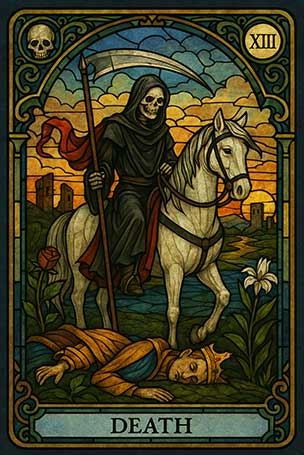
Few tarot cards are as misunderstood as the Death card. At first glance, it can seem intimidating — a skeletal figure on horseback, a fallen king beneath its feet, and a rising sun in the distance. But despite its dramatic imagery, the Death card rarely refers to literal death. Instead, it symbolises transformation, endings, and profound renewal. When it appears in a reading, it heralds the closing of one chapter and the beginning of another — a natural, necessary part of life’s cycle.
In traditional tarot decks, the Death card (number XIII in the Major Arcana) depicts a skeleton in black armour, riding a white horse. The skeleton symbolises what endures when all else fades — the eternal part of the self. The black armour represents mystery and inevitability, while the white horse symbolises purity and spiritual rebirth.
Behind the figure, the sun rises on the horizon — a powerful reminder that every ending leads to a new beginning. A bishop prays, a child looks on, and a fallen king lies before the rider, illustrating that change spares no one and affects all equally.
The message is clear: death in tarot is not about destruction, but about release and renewal. It’s the natural process of shedding what no longer serves your growth so that new life can emerge.
The Death card is not what it seems.
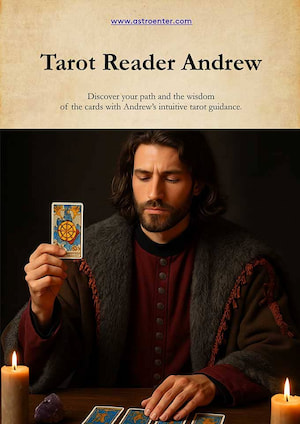
Tarot reader Andrew explains its deeper meaning and the symbolism of transformation — the moment when something must end so that something new can begin.
Watch the full video below to discover the true message behind this powerful card.
When the Death card appears upright, it signals transformation, closure, and the end of an old cycle. This may feel unsettling, but it’s also deeply liberating. Something in your life — a relationship, habit, job, or belief — has reached its conclusion. The card invites you to let go and make space for the new energy waiting to enter.
This is a card of transition, not tragedy. You are moving from one stage of life to another, often through a period of deep emotional or spiritual change. The more you resist this process, the harder it feels. But when you embrace it, the Death card becomes a symbol of personal rebirth.
In a career reading, it may suggest leaving an old position or realising that your current path has outgrown its purpose. In personal growth readings, it marks the release of the past and the awakening of new consciousness.
The upright Death card reminds you that endings are not punishments — they are invitations to evolve.
When the Death card appears reversed, it often points to resistance to change or fear of letting go. You may be clinging to old habits, relationships, or situations out of comfort or fear of the unknown.
This card asks: What are you afraid to release? Perhaps a part of you knows that transformation is necessary, yet your mind resists it. The reversed Death card gently reminds you that holding on to the past prevents new opportunities from entering your life.
Sometimes it can also signify delayed endings — change that is happening gradually rather than suddenly. Even if transformation feels slow or uncertain, trust that the process is unfolding as it should.
Spiritually, the Death card represents rebirth and awakening. It invites you to die to the old self — to shed outdated patterns, illusions, and attachments. This symbolic “death” creates space for your higher self to emerge, purified and renewed.
It teaches that true growth requires release. Without endings, there can be no beginnings. The Death card encourages faith in the cycles of life — that every winter is followed by spring, every sunset by dawn.
In moments of uncertainty, it reminds you to surrender control and trust that what leaves your life does so for a higher reason.
In love readings, the Death card can indicate transformation within a relationship or the end of one that has fulfilled its purpose. This change may feel painful, but it often clears the way for emotional healing and deeper authenticity.
If you’re single, the Death card can suggest leaving behind old attachments, beliefs, or fears about love that have held you back. It’s a time of emotional rebirth — a chance to open your heart to a new way of loving.
Though it can symbolise endings, the Death card also marks renewal — love reborn in a more honest, soulful form.
So, what does the Death card mean in tarot? It signifies transformation, endings, and rebirth. It’s the moment when one chapter of your life closes so another can begin. While it may appear intense, the Death card is ultimately a symbol of freedom — the release of what no longer serves you and the embrace of what’s meant to come next.
Just like nature’s seasons, every ending carries the seed of new life. When you trust this cycle, the Death card becomes not a symbol of loss, but of spiritual renewal and awakening.
If you’d like to explore what transformations are unfolding in your own life, tarot reader Andrew invites you to a personal reading. His intuitive guidance can help you understand what’s ending, what’s beginning, and how to navigate your path of renewal with courage and clarity.